
Tag: Latest-in-AdTech

  • What is Programmatic advertising?

    What is Programmatic advertising?

    Programmatic advertising is the automated process of buying and selling digital ad space in real-time, using software, algorithms, and data to target specific audiences more effectively. Instead of manually negotiating with publishers to place ads on websites, programmatic systems use real-time bidding (RTB) and other automated processes to purchase ad inventory across various digital channels (websites, apps, social media, etc.).

    Key Components:

    1. Demand-Side Platforms (DSPs): Allow advertisers to buy digital ad space automatically, targeting specific audiences based on various factors (demographics, interests, behaviour
      ).
    2. Supply-Side Platforms (SSPs): Help publishers manage, sell, and optimize their available ad space through an automated auction process.
    3. Real-Time Bidding (RTB): Ads are bought and sold in real-time, typically in milliseconds, based on the value of the impressions and targeting parameters set by the advertiser.
    4. Ad Exchanges: Digital marketplaces where buyers (advertisers) and sellers (publishers) meet to trade ad inventory programmatically.
    5. Data Management Platforms (DMPs): Collect and analyze audience data to help advertisers refine their targeting strategies for more personalized ad delivery.

    Benefits of Programmatic Advertising:

    Real-Time Optimization: Advertisers can adjust campaigns on the fly based on performance data.

    Efficiency and Speed: Automates the ad-buying process, making it faster and more efficient.

    Precise Targeting: Uses data and algorithms to deliver ads to specific audiences, reducing waste and increasing relevance.

    Scalability: Advertisers can reach large audiences across multiple platforms and devices.

    Real-Time Optimization:
     Advertisers can adjust campaigns on the fly based on performance data.

  • What is Google Core Web Vitals ?

    What is Google Core Web Vitals ?

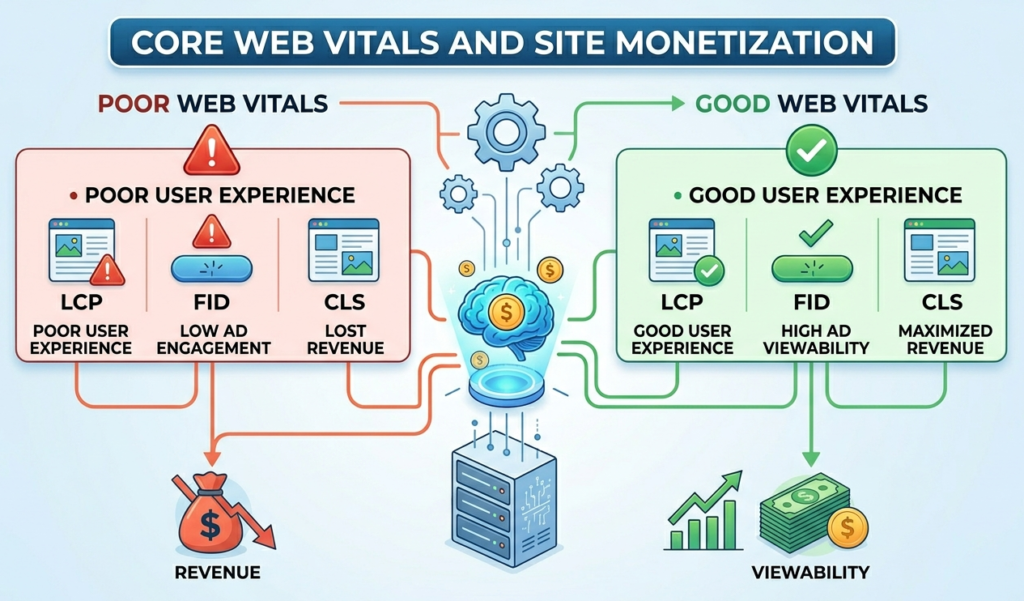
    Google Core Web Vitals are a set of specific factors that Google considers important for delivering a good user experience on the web. These metrics focus on three key aspects of page performance:

    Basic Core Web Vitals Metrics:

    Goal: A CLS score of 0.1 or less is considered good.

    Largest Contentful Paint (LCP):

    Definition: Measures loading performance. It marks the point in the page load timeline when the largest text block or image is rendered on the screen.

    Goal: An LCP of 2.5 seconds or faster is considered good.

    First Input Delay (FID):

    Definition: Measures interactivity. It quantifies the time it takes for a user to interact with a page (e.g., clicking a link or button) until the browser responds.

    Goal: An FID of 100 milliseconds or less is considered good.

    Cumulative Layout Shift (CLS):

    Definition: Measures visual stability. It assesses how much the page layout shifts during the loading process, which can lead to poor user experience.

  • How Core Web Vitals Affect Site Monetization?

    How Core Web Vitals Affect Site Monetization?

    To enhance your website’s monetization potential, it’s essential to monitor and optimize your Core Web Vitals. By ensuring your site loads quickly, responds to user interactions promptly, and maintains visual stability, you can improve user experience, increase traffic, and ultimately boost your revenue from ads.

    Sites that prioritize and optimize for Core Web Vitals may gain a competitive advantage over others in the same niche. A better user experience can lead to increased user loyalty, return visits, and improved conversion rates.

    Impact on SEO Rankings:

    Google uses Core Web Vitals as a ranking factor in its search algorithm. Websites that provide a better user experience through improved Core Web Vitals are more likely to rank higher in search results. Higher visibility can lead to increased traffic and potentially higher ad revenue.

    User Experience:

    Poor Core Web Vitals can lead to a frustrating user experience, causing visitors to leave the site quickly (higher bounce rates). This can negatively impact ad impressions and engagement, which in turn can lower monetization potential.

    Ad Revenue:

    Ad networks, including Google AdSense, may prioritize or recommend websites with good performance metrics. Sites with poor Core Web Vitals may face lower CPM (cost per thousand impressions) rates due to decreased user engagement and higher bounce rates.

    Compliance with Standards:

    Many advertising partners and networks now consider Core Web Vitals when approving websites for monetization. Websites that do not meet the minimum performance thresholds may struggle to get approved or may face restrictions in their ad serving capabilities.

    Competitive Advantage:

    Sites that prioritize and optimize for Core Web Vitals may gain a competitive advantage over others in the same niche. A better user experience can lead to increased user loyalty, return visits, and improved conversion rate