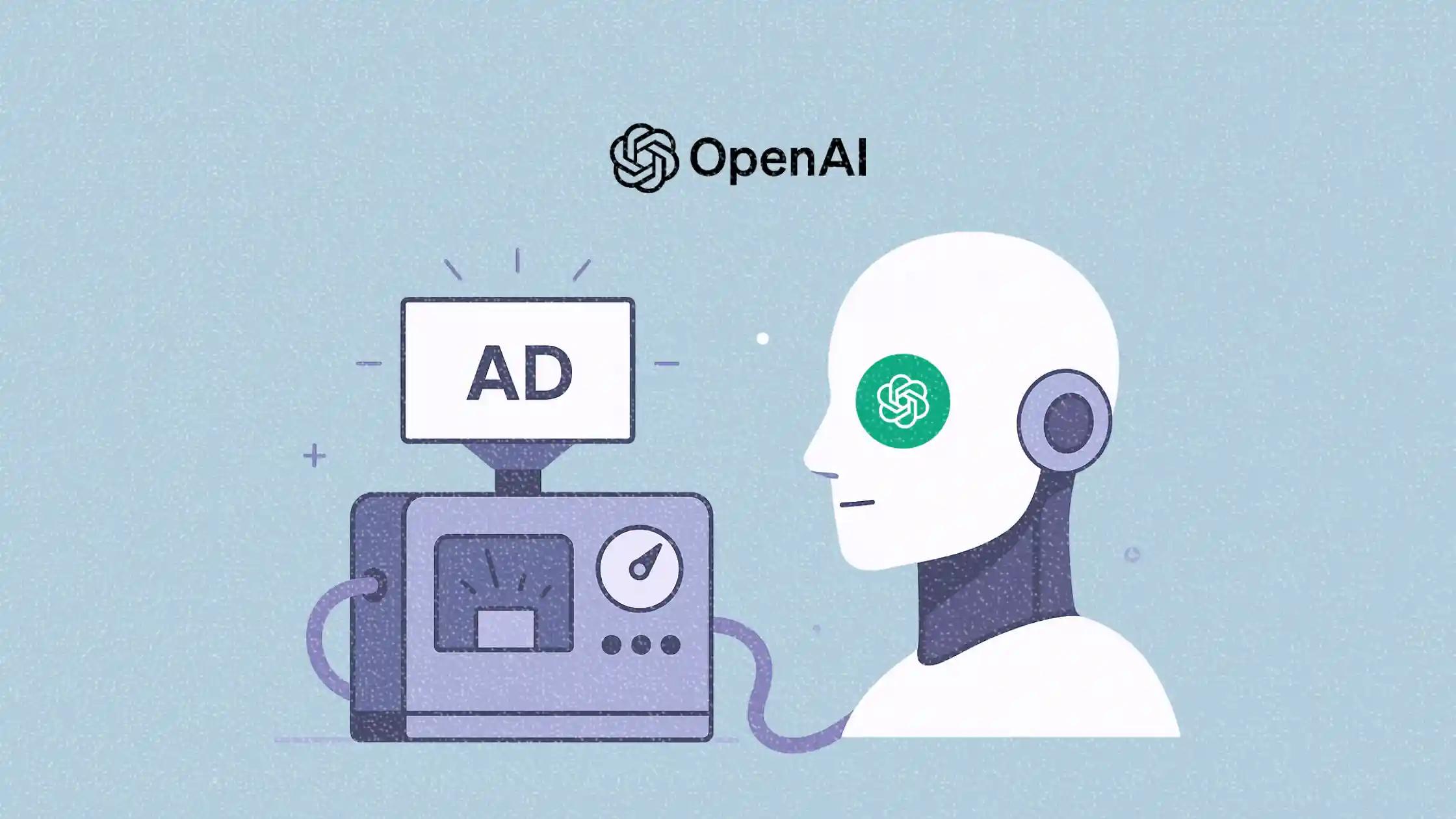
The Shift from SEO to GEO (Generative Engine Optimization)

For more than two decades, Search Engine Optimization (SEO) defined digital visibility. The objective was clear: rank on the first page and capture clicks from the familiar “ten blue links.”
That era is fading.
As we move deeper into 2026, a fundamental shift is underway—one that’s redefining how users discover information and how brands earn attention. The focus is no longer just on search engines. It’s on Generative Engine Optimization (GEO).
With AI systems like ChatGPT, Gemini, and Claude becoming the primary interface for information discovery, the battleground has moved from search result pages to AI-generated answers, summaries, and citations.
What is GEO?
Generative Engine Optimization (GEO) is the practice of structuring and positioning content so it can be understood, synthesized, and cited by large language models (LLMs).
Where SEO optimizes for ranking algorithms, GEO optimizes for response engines.
It’s not about being one of ten links—it’s about being the source behind the answer.
The Core Pillars of GEO
1. Citation Authority
Your goal is to become the source AI systems trust and reference. If your content is consistently cited, your brand becomes part of the answer itself.
2. Semantic Depth
Keywords are no longer enough. GEO prioritizes topic completeness—content that fully explains a subject through structured, interconnected ideas that AI can easily interpret.
3. Information Density
AI favors clarity and efficiency. High-value, fact-rich, and concise content outperforms long, unfocused writing. Every sentence should earn its place.
Why This Shift Is Happening Now
The Rise of Zero-Click Behavior
Users increasingly get answers directly from AI summaries, skipping traditional search results entirely. The click is no longer guaranteed.
Volatility in Organic Traffic
The classic search landscape is becoming unstable. AI-generated overviews now dominate above-the-fold space, pushing traditional listings further down and reducing CTR.
The Evolution of Search Behavior
Search is no longer fragmented—it’s conversational. Users ask layered, intent-rich questions, and expect precise, contextual answers. GEO ensures your content is what AI selects in these moments.
A Massive Opportunity Gap
A relatively small portion of AI citations currently comes from major publishers. This opens the door for niche experts, independent creators, and specialized brands to establish authority—if they produce structured, high-quality information.
Strategic Priorities for Marketers
To stay competitive, the goal must shift from ranking pages to powering answers.
1. Prioritize Structure Over Style
Clear formatting wins. Use headings, bullet points, and schema markup to make your content easy for AI to parse and extract. If your key insights are easy to identify, they’re more likely to be cited.
2. Create Citation-Ready Content
Original insights are your strongest asset. Proprietary data, research, case studies, and expert perspectives dramatically increase your chances of being referenced by AI systems.
3. Expand Your Brand Footprint
GEO extends beyond your website. Mentions across forums, communities, and reputable publications reinforce credibility. The broader your presence, the stronger your “trust signal” to AI models.
The Future: Beyond the Click
In the GEO era, success isn’t defined solely by traffic—it’s defined by influence within the answer layer.
Even without a click, being cited as the trusted source builds authority, recall, and long-term brand equity in ways traditional metrics can’t fully capture.
Final Thought
The transition from SEO to GEO isn’t just tactical—it’s philosophical.
It’s no longer enough to be discoverable.